-
Scripture, Empire, and the Question of the Land
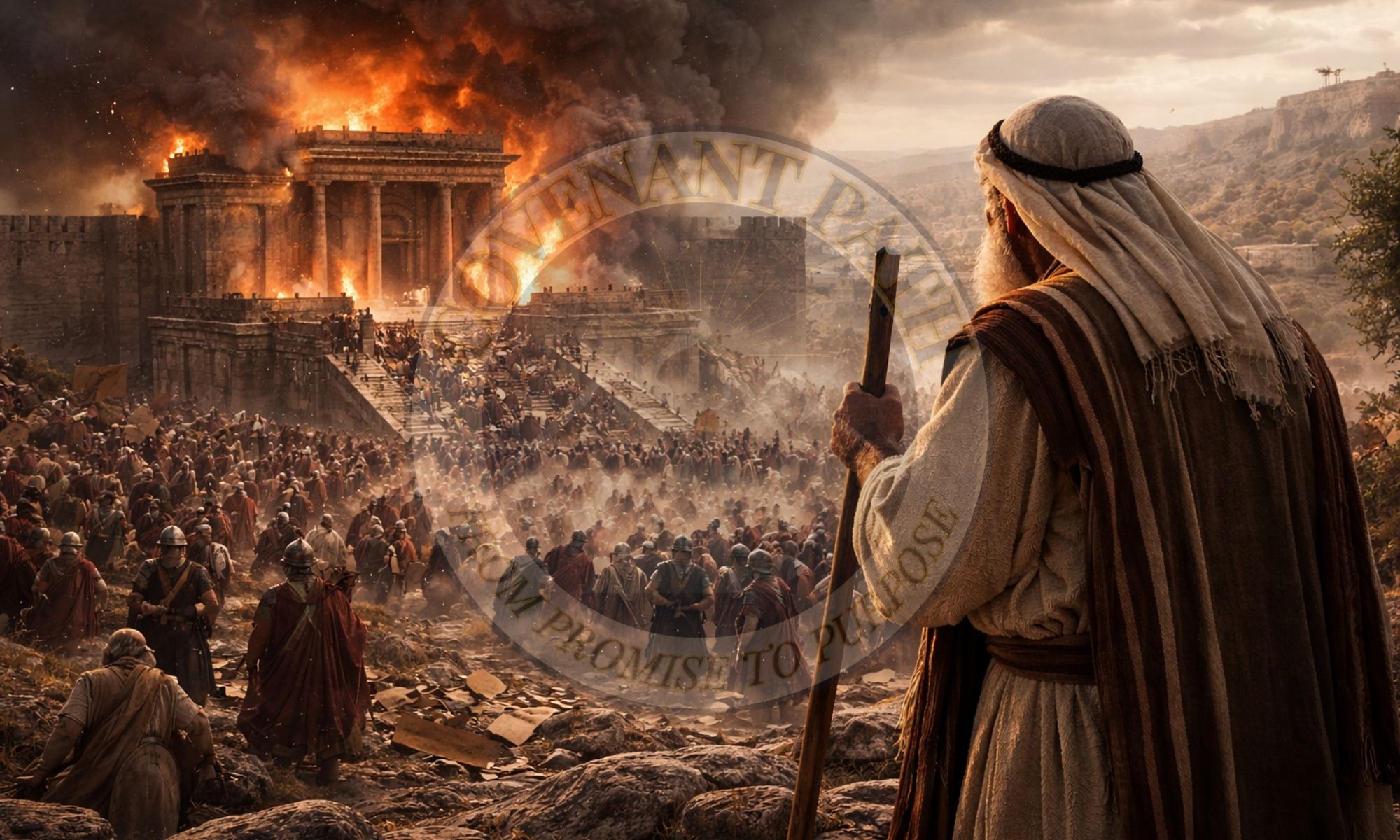
The covenant of God begins with Avraham and encompasses land, descendants, and blessings extended to all families, not just one lineage. The Temple serves a priestly role but does not replace the covenant’s enduring nature. Exile is a temporary discipline, and true fulfillment involves land restoration, emphasizing obedience and family over empire.
-
Abraham’s Covenant and the Revelation of the Beast
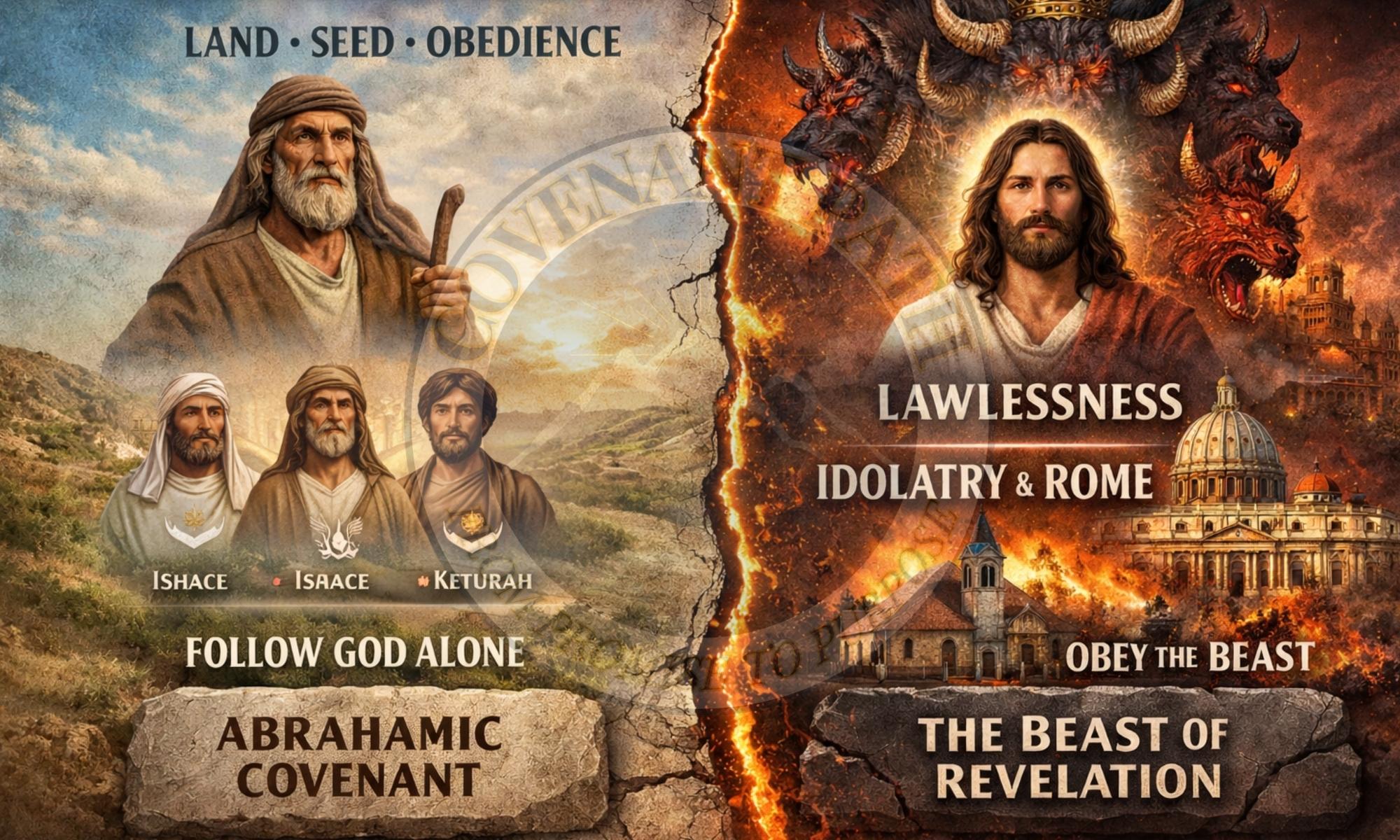
The content explores the covenant between God and Abraham, emphasizing the importance of land, obedience, and family roles as foundational elements. It critiques Christianity for allegedly abandoning these principles, labeling it as a fulfillment of the anti-covenant. The conclusion urges a return to Abraham’s path of covenant faithfulness.
-
Scripture vs Christianity: A Covenant Examination

The discourse on Scripture versus Christianity emphasizes that compliance with Scriptural commandments is legally binding, not open to interpretation or modification. Christianity is criticized for altering fundamental laws, replacing the Sabbath, promoting mediated worship, and institutionalizing practices forbidden in Scripture. Consequently, it is deemed a false system by Scriptural standards.
-
The Wedge Between Abraham’s Sons: How Christianity Disrupted the Covenant Path

The wedge between Abraham’s descendants originated from distortions introduced by Christianity, which replaced obedient faith with belief in intermediaries. While Islam and Judaism maintain closer ties to Abraham’s monotheism, Christianity redefined God and fragmented worship. A return to Abraham’s covenant is essential for unity among his sons.
-
HaShem Is One and Complete: Returning to the Pure Oneness of the God of Israel

The text emphasizes the belief that HaShem, the God of Israel, is singular and complete, as expressed through the Torah. It underscores the importance of direct prayer to HaShem without intermediaries. The author reflects on how worship should focus solely on HaShem, avoiding symbols or other divine figures, thereby affirming the covenant relationship between God…
-
Abrahamic Family Core Values: Returning to the Unity HaShem Intended

The core values of the Abrahamic family, rooted in devotion, hospitality, justice, and obedience, have remained unchanged despite political and cultural shifts. As descendants of Abraham, we share a foundational purpose and must reconnect, transcending divisions to fulfill our roles within divine laws and promote unity under HaShem.
-
The Covenant Is Responsibility

The Covenant given to Jacob’s descendants represents a responsibility rather than a rank, as their role is to share HaShem’s teachings with the world. Israel’s obedience results in blessings, and their failure leads to consequences such as the diaspora. Restoration is essential for global peace, highlighting the significance of their spiritual assignment.
-
The World Cannot Be Blessed Until Abraham’s Family Is Whole: A Covenant Path Meditation

The descendants of Abraham must unite under HaShem’s peace to fulfill the promise of blessing for all nations. Historical divisions, fueled by counterfeit worship and spiritual corruption, have led to rivalry and misunderstanding among them. The prophets foresee a future reunion, essential for restoring peace and reflecting HaShem’s teachings globally.
-
Keturah’s Sons: Skill, Trade, and the Hidden Branch of Blessing
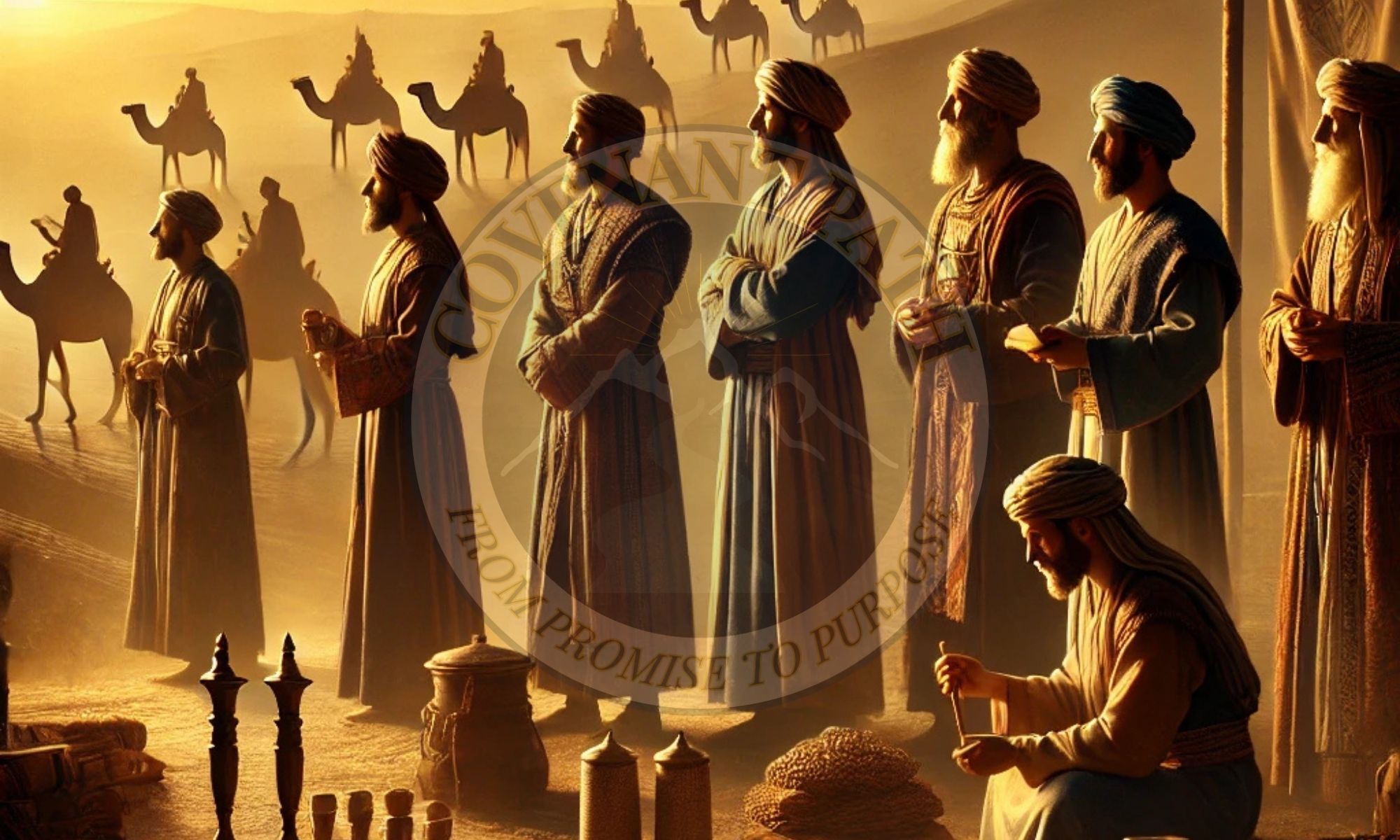
Abraham’s family includes not only Isaac and Ishmael but also Keturah’s six sons, who play a significant role in shaping world history through trade, skill, and cultural connections. Their contributions are vital to the fulfillment of God’s promise, highlighting the importance of all branches of Abraham’s lineage in the Covenant Path.
-
Ishmael: Strength, Endurance, and the Blessing of HaShem

The post emphasizes that Ishmael, Abraham’s firstborn, plays a vital role in God’s plan, marked by blessings of strength and endurance. His descendants contribute to stability and resilience alongside Isaac’s covenant teachings and Keturah’s skills. The narrative promotes unity within Abraham’s family, showcasing Ishmael’s significance in restoring harmony.
![Covenant Path logo featuring [brief visual cue—e.g., stylized mountain and light motif] representing a global Torah-based faith journey.](https://i0.wp.com/covenantpath.faith/wp-content/uploads/2025/09/cropped-covenant-path-logo.png?fit=512%2C512&ssl=1)
![Covenant Path logo featuring [brief visual cue—e.g., stylized mountain and light motif] representing a global Torah-based faith journey.](https://covenantpath.faith/wp-content/uploads/2025/09/cropped-covenant-path-logo.png)